
Marknadsnyheter
ALXN1840 shows rapid and sustained improvement in copper mobilisation from tissues, potentially closing treatment gaps for Wilson disease community

FoCus Phase III trial evaluates new approach to copper mobilisation for patients with Wilson disease who have not seen meaningful innovation in decades.
In Wilson disease, excess copper build-up in organs and tissues can lead to liver disease as well as neurological and psychiatric symptoms.
Detailed results from the positive FoCus Phase III trial in Wilson disease showed that ALXN1840, an investigational once-daily, oral medicine, met its primary endpoint demonstrating three-times greater copper mobilisation from tissues compared to the standard of care (SoC) arm (Least Square Mean Difference [LSM Diff] 2.18 µmol/L; p< 0.0001), including in patients who had been treated previously for an average of 10 years.1
In the trial, people taking ALXN1840 experienced rapid copper mobilisation, with a response at four weeks and sustained through 48 weeks.1
Results from the trial will be presented on 23 June at the 2022 International Liver Congress (ILC) in London.
Wilson disease is a rare and progressive genetic condition in which the body’s pathway for removing excess copper is compromised. This may result in the accumulation of copper in a person’s liver, brain or other vital organs. Damage from excess copper build-up in tissues and organs may lead to symptoms of liver, neurological and psychiatric diseases, which may be irreversible.2,3,4 Even after SoC treatment is initiated, some patients experience worsening of disease, especially of neurologic symptoms.3,4
Change in neurological scale scores and clinician-reported functional assessments with ALXN1840 treatment were also evaluated in a post-hoc analysis as secondary endpoints in the Phase III trial.1
In patients who were symptomatic at baseline, there were greater improvements in neurological scores for those treated with ALXN1840 compared to SoC (Unified Wilson Disease Rating Scale [UWDRS] part II symptomatic ALXN1840 -1.7, SoC -0.8; UWDRS Part III symptomatic ALXN1840 -2.91, SoC -1.31). However, there were no significant differences between treatment groups observed at 48 weeks.1
Most patients in the trial had low symptom scores at baseline, so there was minimal room for total score improvement (UWDRS Part II ALXN1840 -0.6, SoC -0.3; UWDRS Part III ALXN1840 -2.20, SoC -1.02).1 As people with Wilson disease experience a highly varied degree of symptoms4, this total score may not reflect the extent of disease severity.
ALXN1840 was well tolerated and the long-term safety and efficacy of ALXN1840 is being assessed in an up to 60-month extension period.1
Professor Karl Heinz Weiss, MD, Director of the Department of Internal Medicine at Salem Medical Centre Heidelberg and investigator in the FoCus Phase III trial, said: “These data from the largest global trial in Wilson disease to date show significant copper mobilisation from the tissues with ALXN1840, even in patients who were on standard of care for over a decade on average. These results have the potential to reframe the way doctors can think about the disease given that current therapies focus on removing copper from the blood. We are also encouraged by initial neurological improvement with ALXN1840 in those who were symptomatic and believe that assessing individual patient experiences may provide a better understanding of the impact on daily life.”
Marc Dunoyer, Chief Executive Officer, Alexion, said: “Many people with Wilson disease continue to experience symptoms even after years of intervention with current therapies, illuminating an urgent need to re-evaluate the standard of care. Applying our 30 years of experience in rare disease clinical development, Alexion has conducted rigorous scientific research to bring fresh thinking to Wilson disease around the importance of copper mobilisation from the tissues. These data further our efforts to potentially introduce a novel treatment for patients who have gone decades without meaningful innovation.”
Summary of efficacy and safety resultsi
The primary endpoint gauged the daily mean Area Under the Effect Curve (AUEC) for directly measured non-ceruloplasmin-bound copper (dNCC)ii over 48 weeks. The dNCC parameter includes copper bound in an inert complex with ALXN1840.1
| Statistic | Cohort 1iii Treatment-experienced |
Cohort 2iii Naïve/minimally treated |
Total | |||
| ALXN 1840 N = 104 |
SoC N= 56 |
ALXN 1840 N = 33 |
SoC N = 14 |
ALXN 1840 N = 137 |
SoC N = 70 |
|
| niv | 91 | 51 | 27 | 12 | 118 | 63 |
| Mean (Standard Deviation) | 2.68 (2.118) |
0.72 (0.643) | 4.58 (2.526) |
1.09 (0.484) |
3.12 (2.347) |
0.79 (0.629) |
| LSMv (Standard Error) |
2.50 (0.150) |
0.87 (0.204) | 4.76 (0.319) |
0.96 (0.487) |
3.18 (0.167) |
1.00 (0.219) |
| LSM Difference (SE) | 1.64 (0.254) | 3.79 (0.584) | 2.18 (0.244) | |||
| p-value | <0.0001 | <0.0001 | <0.0001 | |||
- Results analysed using ANCOVA model, model included treatment, cohort, and baseline value. For cohort analysis, analysis was performed on each cohort using ANCOVA model, cohort term was removed from model. Analysis results were combined using Rubin’s rules.
- Daily Mean AUEC for dNCC measured in µmol/L.
- Cohort 1= Prior WD Treatment >28 days; Cohort 2= Treatment Naïve or Prior WD Treatment ≤ 28 days.
- Patient numbers for calculation of mean; all patients were included in the calculation of LSM, LSM difference and p values.
- LSM is a statistical method that determines the line of best fit for a dataset.
Most adverse events (AEs) were not considered serious (ALXN1840, 85.4%; SoC, 75.7%) and/or were not considered related to trial treatment (ALXN1840, 77.4%; SoC, 75.7%). The most common AE associated with ALXN1840 was a reversible increase in alanine aminotransferase levels (ALXN1840, 14.6%; SoC, 2.9%). Two deaths were also reported but were unrelated to ALXN1840.1
In addition to the Phase III trial, two ongoing mechanistic trials in Wilson disease are also underway. Alexion is working closely with health authorities worldwide and intends to submit these data for review.
Notes
Wilson disease
Wilson disease is an inherited condition in which the body’s pathway for removing excess copper is compromised. Over time, that results in the build-up of excess copper levels in the liver, brain and other organs leading to damage that greatly impacts patients.2
Although the disease is present at birth, the age of diagnosis occurs between five to 35 years.3,4 People can develop a wide range of symptoms, including liver disease and/or psychiatric or neurological symptoms.2,3,4
FoCus
FoCus (301) is a pivotal Phase III, randomised, controlled, rater-blinded trial designed to evaluate the efficacy and safety of ALXN1840 versus SoC in patients with Wilson disease aged 12 years and older. The primary endpoint assessed copper mobilisation over 48 weeks, defined as daily mean AUEC for dNCC. In the trial, 214 patients were enrolled in one of two cohorts on a 3:1 basis (treatment-experienced:treatment-naïve). Each cohort was then randomised 2:1 (ALXN1840:SoC). The first cohort enrolled 161 patients who received SoC (chelation therapy with penicillamine or trientine, zinc therapy or a combination of both chelation and zinc therapy) for more than 28 days and the second cohort enrolled 53 patients who were treatment-naïve or had received SoC for 28 days or less.1,5 Key secondary endpoints assessed over the 48-week period included change in neurological function as measured by the UWDRS Part II and III.1
ALXN1840
ALXN1840 is a potential new once-daily, oral medicine in development for the treatment of Wilson disease. This investigational, novel molecule is designed to selectively and tightly bind to and remove copper from the body’s tissues and blood. ALXN1840 has been granted Orphan Drug Designation in the United States and orphan designation in the European Union for Wilson disease.
Alexion
Alexion, AstraZeneca Rare Disease, is the group within AstraZeneca focused on rare diseases, created following the 2021 acquisition of Alexion Pharmaceuticals, Inc. As a leader in rare diseases for 30 years, Alexion is focused on serving patients and families affected by rare diseases and devastating conditions through the discovery, development and commercialisation of life-changing medicines. Alexion focuses its research efforts on novel molecules and targets in the complement cascade and its development efforts on haematology, nephrology, neurology, metabolic disorders, cardiology and ophthalmology. Headquartered in Boston, Massachusetts, Alexion has offices around the globe and serves patients in more than 50 countries.
AstraZeneca
AstraZeneca (LSE/STO/Nasdaq: AZN) is a global, science-led biopharmaceutical company that focuses on the discovery, development, and commercialisation of prescription medicines in Oncology, Rare Diseases, and BioPharmaceuticals, including Cardiovascular, Renal & Metabolism, and Respiratory & Immunology. Based in Cambridge, UK, AstraZeneca operates in over 100 countries and its innovative medicines are used by millions of patients worldwide. Please visit astrazeneca.com and follow the Company on Twitter @AstraZeneca.
Contacts
For details on how to contact the Investor Relations Team, please click here. For Media contacts, click here
References
- Weiss, KH., Schilsky, M., et al. Efficacy and safety of ALXN1840 versus standard of care in Wilson disease: primary results from an ongoing phase 3, randomized, controlled, rater-blinded trial. Oral presentation at: International Liver Congress (ICL or EASL); June 23, 2022; Abstract No. 1816.
- Patil, M., et al. (2013) J Clin Exp Hepatol, 3, 321-336.
- Roberts, E.A., Schilsky, M.L. American Association for the Study of Liver D. (2008). Diagnosis and treatment of Wilson disease: An update. Hepatology, 47(6), 2089-2111.
- European Association for the Study of the Liver. (2012). EASL clinical practice guidelines: Wilson’s disease. J Hepatol, 56(3), 671-685.
- ClinicalTrials.gov. Efficacy and Safety of ALXN1840 (Formerly Named WTX101) Administered for 48 Weeks Versus Standard of Care in Participants With Wilson Disease With an Extension Period of up to 60 Months. NCT Identifier: NCT03403205. Available online. Accessed May 2022.

Vilken makalös torsdag vi fick med Silex börsnotering. Aktien steg makalösa 178 procent under sin första handelsdag och fortsatte sedan upp. Det är alltid något dubbelt när en IPO är så här het för som investerare får man oftast inte den tilldelning man önskat sig. Det går inte att göra alla nöjda. Det man ändå måste säga är att tilldelningen var diversifierad. I stället för pytteposter till alla som ingen är direkt glad över så lottades tilldelningen där vissa fick mindre poster och andra inga, samtidigt som Avanza öppnade sitt institutionserbjudande för alla sina kunder, vilket gjorde att vissa fick större poster.
Veckans överraskning av det mindre slaget stod Stayble Therapeutics för. På torsdagen skulle formellt beslut ha tagits om att likvidera bolaget då styrelsen inte längre såg någon möjlighet för bolaget att få finansiering. Men under onsdagens sista timme kom ett pressmeddelande om att det dykt upp en internationell strategisk investerare som bolaget ingått en avsiktsförklaring med, det fick aktien under torsdagen att lyfta 721 procent.
Veckans starkaste utfall i en företrädesemission kom från Front Ventures med en teckningsgrad på 279 procent, detta trots att befintliga ägare lät bli att teckna 26,5 procent. Utfallet gör att bolaget även använder hela övertilldelningsoptionen som var lika stor som företrädesemissionen.

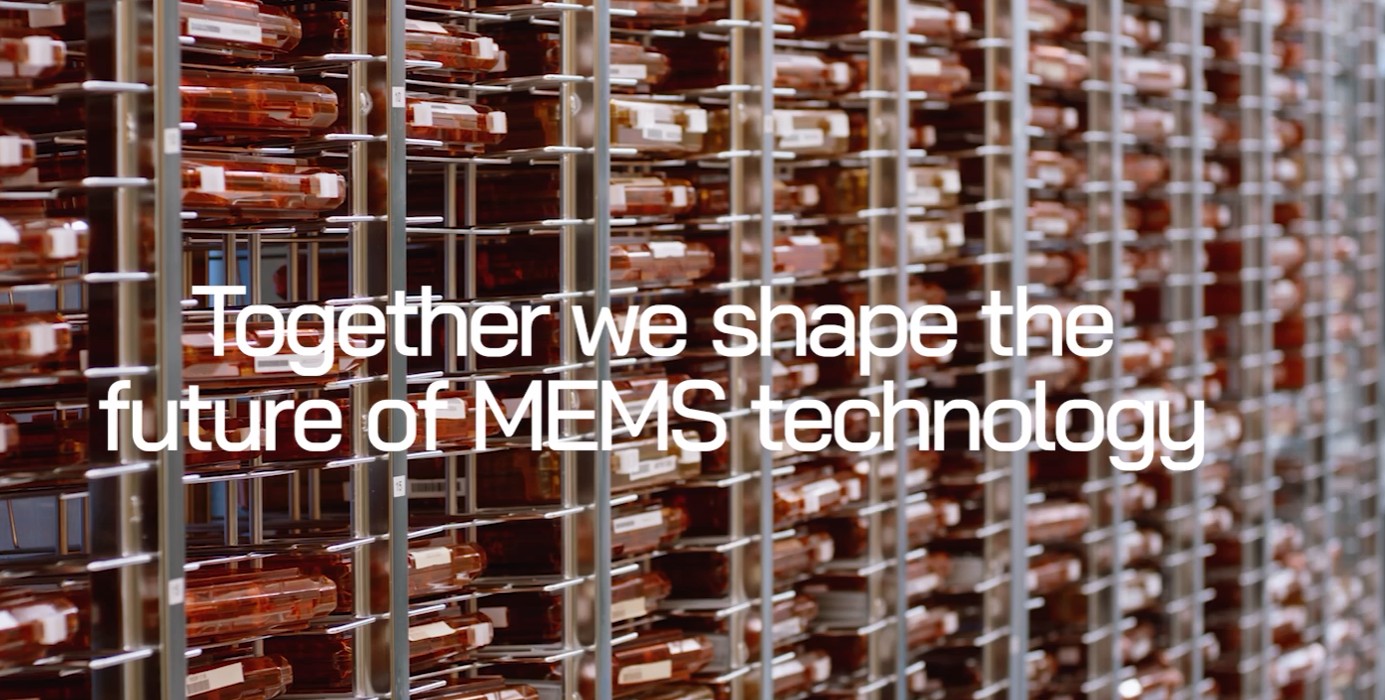
Silex med bas i Järfälla är världens största pure-play MEMS-foundry. MEMS är en typ av halvledare som finns i mobiltelefoner, bilar, medicintekniska produkter och mycket annat, inklusive det nu snabbväxande segmentet AI-datacenter. Foundry är helt enkelt en producent. Silex tillverkar uteslutande åt andra företag, man har under alla år klarat sig från lockelsen att börja producera egna chip och konkurrera med sina kunder.
Företaget var nära en börsnotering redan 2008 men fortsatte utanför börsen och köptes sedan upp av kinesiska staten. Men med geopolitiska spänningar började ägaren bli ett problem för kunderna. För ett år sedan köpte Bure, Creades, Grenspecialisten, 3S Invest, SEB-Stiftelsen och TomEnterprise 48,2 procent av aktierna och med den aktuella IPO:n så minskar Kina sitt ägande till under 10 procent.
Igår inleddes teckningsperioden i IPO:n som pågår mellan 28 april – 5 maj och sedan noteras bolaget den 7 maj. IPO:n är på 2 miljarder kronor där hälften är nyemitterade aktier. Priset är 81 kronor. Räkna med att den kommer att bli rejält tecknad.
Se och lyssna till intervjun med grundaren och vd:n Edvard Kälvesten, den ger en bra bild av bolaget.

Semir Hasanbegovic på Di har gjort tekniska analyser på aktierna i Ericsson, Novo Nordisk, Volvo Cars, SAAB och Dynavox. Han går metodiskt igenom respektive företags aktiegraf.

- Brent crude up USD 9/bl on the week… ”deal around the corner” narrative fades
- Market Still Betting on Timely Resolution, But Each Day Raises Shortage Risk
- TACO (or Whatever It Was) Sends Oil Lower — Iran Keeps Choking Hormuz
- Oil stress is rising as the supply chains and buffers are drained
- Buy Brent Dec-2026 calls with strike $150/b!
-
Analys från DailyFX10 år ago
EUR/USD Flirts with Monthly Close Under 30 Year Trendline
-
Marknadsnyheter6 år ago
BrainCool AB (publ): erhåller bidrag (grant) om 0,9 MSEK från Vinnova för bolagets projekt inom behandling av covid-19 patienter med hög feber
-

 Marknadsnyheter3 år ago
Upptäck de bästa verktygen för att analysera Bitcoin!
-
Analys från DailyFX13 år ago
Japanese Yen Breakout or Fakeout? ZAR/JPY May Provide the Answer
-

 Marknadsnyheter3 år ago
Därför föredrar svenska spelare att spela via mobiltelefonen
-
Analys från DailyFX13 år ago
Price & Time: Key Levels to Watch in the Aftermath of NFP
-
Analys från DailyFX9 år ago
Gold Prices Falter at Resistance: Is the Bullish Run Finished?
-
 Nyheter7 år ago
Teknisk analys med Martin Hallström och Nils Brobacke