
Marknadsnyheter
UPS RELEASES 2Q 2024 EARNINGS

- Consolidated Revenues of $21.8B, Compared to $22.1B Last Year
- Consolidated Operating Margin of 8.9%; Adjusted* Consolidated Operating Margin of 9.5%
- Diluted EPS of $1.65; Adj. Diluted EPS of $1.79, Compared to $2.54 Last Year
- Updates Full-Year 2024 Financial Guidance; Restarts Share Repurchase Program, Targeting $1B Annually
ATLANTA – July 23, 2024 – UPS (NYSE:UPS) today announced second-quarter 2024 consolidated revenues of $21.8 billion, a 1.1% decrease from the second quarter of 2023. Consolidated operating profit was $1.9 billion, down 30.1% compared to the second quarter of 2023, and down 29.3% on an adjusted basis. Diluted earnings per share were $1.65 for the quarter; adjusted diluted earnings per share of $1.79 were 29.5% below the same period in 2023.
For the second quarter of 2024, GAAP results include an after-tax charge of $120 million, or $0.14 per diluted share, comprised of a one-time payment of $94 million to settle an international regulatory matter, and transformation and other charges of $26 million.
“I want to thank all UPSers for their hard work and efforts in the second quarter,” said Carol Tomé, UPS chief executive officer. “This quarter was a significant turning point for our company as we returned to volume growth in the U.S., the first time in nine quarters. As expected, our operating profit declined in the first half of 2024 from what we reported last year. Going forward we expect to return to operating profit growth.”
U.S. Domestic Segment
| 2Q 2024 | Adjusted2Q 2024 | 2Q 2023 | Adjusted2Q 2023 | |
| Revenue | $14,119 M | $14,396 M | ||
| Operating profit | $989 M | $997 M | $1,602 M | $1,681 M |
- Revenue decreased 1.9%, driven by a 2.6% decrease in revenue per piece due primarily to changes in product mix.
- Operating margin was 7.0%; adjusted operating margin was 7.1%.
International Segment
| 2Q 2024 | Adjusted2Q 2024 | 2Q 2023 | Adjusted2Q 2023 | |
| Revenue | $4,370 M | $4,415 M | ||
| Operating profit | $718 M | $824 M | $883 M | $902 M |
- Revenue decreased 1.0%, driven primarily by a 2.9% decrease in average daily volume.
- Operating margin was 16.4%; adjusted operating margin was 18.9%.
Supply Chain Solutions1
| 2Q 2024 | Adjusted2Q 2024 | 2Q 2023 | Adjusted2Q 2023 | |
| Revenue | $3,329 M | $3,244 M | ||
| Operating profit | $237 M | $243 M | $295 M | $336 M |
1 Consists of operating segments that do not meet the criteria of a reportable segment under ASC Topic 280 – Segment Reporting.
- Revenue increased 2.6% due primarily to growth in logistics, including healthcare.
- Operating margin was 7.1%; adjusted operating margin was 7.3%.
2024 Outlook
The company provides certain guidance on an adjusted (non-GAAP) basis because it is not possible to predict or provide a reconciliation reflecting the impact of future pension adjustments or other unanticipated events, which would be included in reported (GAAP) results and could be material.
For 2024, UPS updates its full-year, consolidated financial targets**:
- Consolidated revenue expected to be approximately $93.0 billion
- Consolidated adjusted operating margin expected to be approximately 9.4%
- Capital expenditures of approximately $4.0 billion
- Targeting around $500 million in share repurchases
* “Adjusted” or “Adj.” amounts are non-GAAP financial measures. See the appendix to this release for a discussion of non-GAAP financial measures, including a reconciliation to the most closely correlated GAAP measure.
**Excludes the impacts of pending disposition of Coyote and announced acquisition.
Contacts:
UPS Media Relations: 404-828-7123 or pr@ups.com
UPS Investor Relations: 404-828-6059 (option 4) or investor@ups.com
# # #
Conference Call Information
UPS CEO Carol Tomé and CFO Brian Dykes will discuss second-quarter results with investors and analysts during a conference call at 8:30 a.m. ET, July 23, 2024. That call will be open to others through a live Webcast. To access the call, go to www.investors.ups.com and click on “Earnings Conference Call.” Additional financial information is included in the detailed financial schedules being posted on www.investors.ups.com under “Quarterly Earnings and Financials” and as furnished to the SEC as an exhibit to our Current Report on Form 8-K.
About UPS
UPS (NYSE: UPS) is one of the world’s largest companies, with 2023 revenue of $91.0 billion, and provides a broad range of integrated logistics solutions for customers in more than 200 countries and territories. Focused on its purpose statement, “Moving our world forward by delivering what matters,” the company’s approximately 500,000 employees embrace a strategy that is simply stated and powerfully executed: Customer First. People Led. Innovation Driven. UPS is committed to reducing its impact on the environment and supporting the communities we serve around the world. UPS also takes an unwavering stance in support of diversity, equity and inclusion. More information can be found at www.ups.com, about.ups.com and www.investors.ups.com.
Forward-Looking Statements
This release, our Annual Report on Form 10-K for the year ended December 31, 2023 and our other filings with the Securities and Exchange Commission contain and in the future may contain “forward-looking statements” within the meaning of the Private Securities Litigation Reform Act of 1995. Statements other than those of current or historical fact, and all statements accompanied by terms such as “will,” “believe,” “project,” “expect,” “estimate,” “assume,” “intend,” “anticipate,” “target,” “plan,” and similar terms, are intended to be forward-looking statements. Forward-looking statements are made subject to the safe harbor provisions of the federal securities laws pursuant to Section 27A of the Securities Act of 1933 and Section 21E of the Securities Exchange Act of 1934.
From time to time, we also include written or oral forward-looking statements in other publicly disclosed materials. Forward-looking statements may relate to our intent, belief, forecasts of, or current expectations about our strategic direction, prospects, future results, or future events; they do not relate strictly to historical or current facts. Management believes that these forward-looking statements are reasonable as and when made. However, caution should be taken not to place undue reliance on any forward-looking statements because such statements speak only as of the date when made and the future, by its very nature, cannot be predicted with certainty.
Forward-looking statements are subject to certain risks and uncertainties that could cause actual results to differ materially from our historical experience and our present expectations or anticipated results. These risks and uncertainties include, but are not limited to: changes in general economic conditions in the U.S. or internationally; significant competition on a local, regional, national and international basis; changes in our relationships with our significant customers; our ability to attract and retain qualified employees; strikes, work stoppages or slowdowns by our employees; increased or more complex physical or operational security requirements; a significant cybersecurity incident, or increased data protection regulations; our ability to maintain our brand image and corporate reputation; impacts from global climate change; interruptions in or impacts on our business from natural or man-made events or disasters including terrorist attacks, epidemics or pandemics; exposure to changing economic, political, regulatory and social developments in international and emerging markets; our ability to realize the anticipated benefits from acquisitions, dispositions, joint ventures or strategic alliances; the effects of changing prices of energy, including gasoline, diesel, jet fuel, other fuels and interruptions in supplies of these commodities; changes in exchange rates or interest rates; our ability to accurately forecast our future capital investment needs; increases in our expenses or funding obligations relating to employee health, retiree health and/or pension benefits; our ability to manage insurance and claims expenses; changes in business strategy, government regulations or economic or market conditions that may result in impairments of our assets; potential additional U.S. or international tax liabilities; increasingly stringent regulations related to climate change; potential claims or litigation related to labor and employment, personal injury, property damage, business practices, environmental liability and other matters; and other risks discussed in our filings with the Securities and Exchange Commission from time to time, including our Annual Report on Form 10-K for the year ended December 31, 2023, and subsequently filed reports. You should consider the limitations on, and risks associated with, forward-looking statements and not unduly rely on the accuracy of predictions contained in such forward-looking statements. We do not undertake any obligation to update forward-looking statements to reflect events, circumstances, changes in expectations, or the occurrence of unanticipated events after the date of those statements, except as required by law.
From time to time, we expect to participate in analyst and investor conferences. Materials provided or displayed at those conferences, such as slides and presentations, may be posted on our investor relations website at www.investors.ups.com under the heading ”Presentations” when made available. These presentations may contain new material nonpublic information about our company and you are encouraged to monitor this site for any new posts, as we may use this mechanism as a public announcement.
Reconciliation of GAAP and Non-GAAP Financial Measures
We supplement the reporting of our financial information determined under generally accepted accounting principles (”GAAP”) with certain non-GAAP financial measures.
Adjusted financial measures should be considered in addition to, and not as an alternative for, our reported results prepared in accordance with GAAP. Our adjusted financial measures do not represent a comprehensive basis of accounting and therefore may not be comparable to similarly titled measures reported by other companies.
Forward-Looking Non-GAAP Metrics
From time to time when presenting forward-looking non-GAAP metrics, we are unable to provide quantitative reconciliations to the most closely correlated GAAP measure due to the uncertainty in the timing, amount or nature of any adjustments, which could be material in any period.
One-Time Payment for International Regulatory Matter
In the second quarter of 2024, we made a one-time payment of $94 million of previously restricted cash to settle a previously-disclosed challenge by Italian tax authorities to the deductibility of Value Added Tax payments by UPS to certain third-party service providers, a review of which was launched in the fourth quarter of 2023. We supplement the presentation of our operating profit, operating margin, interest expense, total other income (expense), income before income taxes, net income and earnings per share with non-GAAP measures that exclude the impact of this payment. We believe excluding the impact of this payment, which we do not believe is a component of our ongoing operations and we do not expect to recur, better enables users of our financial statements to view and evaluate underlying business performance from the same perspective as management.
Transformation and Other Costs, and Asset Impairment Charges
We supplement the presentation of our operating profit, operating margin, income before income taxes, net income and earnings per share with non-GAAP measures that exclude the impact of charges related to transformation activities, asset impairments and other charges. We believe excluding the impact of these charges better enables users of our financial statements to view and evaluate underlying business performance from the perspective of management. We do not consider these costs when evaluating the operating performance of our business units, making decisions to allocate resources or in determining incentive compensation awards.
One-Time Compensation Payment
We supplement the presentation of our operating profit, operating margin, income before income taxes, net income and earnings per share with non-GAAP measures that exclude the impact of a one-time payment made to certain U.S.-based, non-union part-time supervisors following the ratification of our labor agreement with the Teamsters. We do not expect this or similar payments to recur. We believe excluding the impact of this one-time payment better enables users of our financial statements to view and evaluate underlying business performance from the same perspective as management.
Defined Benefit Pension and Postretirement Medical Plan Gains and Losses
We recognize changes in the fair value of plan assets and net actuarial gains and losses in excess of a 10% corridor (defined as 10% of the greater of the fair value of plan assets or the plan’s projected benefit obligation), as well as gains and losses resulting from plan curtailments and settlements, for our pension and postretirement defined benefit plans immediately as part of Investment income (expense) and other in the statements of consolidated income. We supplement the presentation of our income before income taxes, net income and earnings per share with adjusted measures that exclude the impact of these gains and losses and the related income tax effects. We believe excluding these defined benefit pension and postretirement plan gains and losses provides important supplemental information by removing the volatility associated with plan amendments and short-term changes in market interest rates, equity values and similar factors.
Free Cash Flow
We calculate free cash flow as cash flows from operating activities less capital expenditures, proceeds from disposals of property, plant and equipment, and plus or minus the net changes in other investing activities. We believe free cash flow is an important indicator of how much cash is generated by our ongoing business operations and we use this as a measure of incremental cash available to invest in our business, meet our debt obligations and return cash to shareowners.
Adjusted Return on Invested Capital
Adjusted ROIC is calculated as the trailing twelve months (“TTM”) of adjusted operating income divided by the average of total debt, non-current pension and postretirement benefit obligations and shareowners’ equity, at the current period end and the corresponding period end of the prior year. Because adjusted ROIC is not a measure defined by GAAP, we calculate it, in part, using non-GAAP financial measures that we believe are most indicative of our ongoing business performance. We consider adjusted ROIC to be a useful measure for evaluating the effectiveness and efficiency of our long-term capital investments.
Adjusted Total Debt / Adjusted EBITDA
Adjusted total debt is defined as our long-term debt and finance leases, including current maturities, plus non-current pension and postretirement benefit obligations. Adjusted EBITDA is defined as earnings before interest, taxes, depreciation and amortization adjusted for the impacts of incentive compensation program redesign, one-time compensation, goodwill & asset impairment charges, transformation and other costs, a one-time international regulatory matter, defined benefit plan gains and losses and other income. We believe the ratio of adjusted total debt to adjusted EBITDA is an important indicator of our financial strength, and is a ratio used by third parties when evaluating the level of our indebtedness.
Adjusted Cost per Piece
We evaluate the efficiency of our operations using various metrics, including adjusted cost per piece. Adjusted cost per piece is calculated as adjusted operating expenses in a period divided by total volume for that period. Because adjusted operating expenses exclude costs or charges that we do not consider a part of underlying business performance when monitoring and evaluating the operating performance of our business units, making decisions to allocate resources or in determining incentive compensation awards, we believe this is the appropriate metric on which to base reviews and evaluations of the efficiency of our operational performance.

Regeringen har beslutat om en lagrådsremiss med förslag till lättnader i byggkraven för studentbostäder. Syftet är att öka möjligheterna till flexibilitet vid byggandet.
– På många studieorter är det svårt för studenter att hitta boende. Därför behöver byggregelverket förenklas. Syftet är att möjliggöra för fler studentbostäder genom sänkta byggkostnader och ökad flexibilitet, säger infrastruktur- och bostadsminister Andreas Carlson.
Förslaget innebär att det blir möjligt att göra undantag från kraven på tillgänglighet och användbarhet i en byggnad som innehåller studentbostäder. Undantagen ska kunna tillämpas vid både nyproduktion och vid ändring av en byggnad.
Det ska vara möjligt att göra undantag för högst 80 procent av studentbostäderna i ett byggprojekt. Minst 20 procent av studentbostäderna ska fortfarande uppfylla gällande krav på tillgänglighet och användbarhet för personer med nedsatt rörelse- eller orienteringsförmåga.
Lagändringen ger större flexibilitet vid byggande av studentbostäder och skapar fler tänkbara sätt att utforma planlösningar. Till exempel kan bostadsytan minskas och fler bostäder rymmas inom en given yta.
De föreslagna undantagen ska inte hindra personer med funktionsnedsättning att vara delaktiga i sociala sammanhang. En studentbostad som omfattas av undantagen ska kunna besökas av en person med nedsatt rörelse- eller orienteringsförmåga.
Regeringen breddar också definitionen av studentbostäder till att inkludera all vuxenutbildning för att göra det möjligt för fler kommuner att erbjuda studentbostäder.
Förslagen föreslås träda i kraft den 1 juli 2025.
Lagrådsremissen: Lättnader i byggkraven för studentbostäder – Regeringen.se
Presskontakt
Ebba Gustavsson
Pressekreterare hos infrastruktur- och bostadsminister Andreas Carlson
Telefon (växel) 08-405 10 00
Mobil 076-12 70 488
ebba.gustavsson@regeringskansliet.se
Marknadsnyheter
Bönor från egen kaffeskog, sump till jord – Viking Lines nya kaffe gör gott på många olika sätt


Viking Lines resenärer dricker varje år 8,5 miljoner koppar kaffe. Nu satsar rederiet på ett helt nytt kaffe som ger minskade klimatutsläpp och bättre levnadsvillkor för odlarna. Kaffet från Slow Forest odlas på rederiets egen odling i Laos utan kemiska gödningsmedel, handplockas och rostas därefter i Danmark.
Allt kaffe som serveras på Viking Lines fartyg är nu hållbart producerat Slow Forest-kaffe, odlat på rederiets 75 hektar stora odling på högplatåerna i Laos och rostat i Danmark. Kaffeplantorna odlas bland träd på återbeskogad mark, i stället för på traditionellt skövlade plantager. Viking Lines odling ligger i en kolsänka där målsättningen är att plantera 30 000 träd, vilket innebär nästan 400 träd per hektar. Kaffeskogen förbättrar också den lokala biologiska mångfalden i området.
Odlingen, bearbetningen och rostningen av kaffet hanteras av Slow Forest Coffee. För företaget är det viktigt att produktionskedjan är rättvis och transparent. Utöver miljöfördelarna erbjuder Slow Forest bättre lönevillkor och sjukersättning för byns odlare.
”Den traditionella kaffetillverkningens koldioxidavtryck är stort och merparten av intäkterna går till Europa i stället för produktionsländerna. Vi ville göra annorlunda. Våra kunder vill göra hållbara val, och nu kan de njuta av sitt kaffe med bättre samvete än någonsin tidigare,” berättar Viking Lines restaurangchef Janne Lindholm.
Bönorna till Slow Forest-kaffet får sakta mogna i skuggan av träden, utan kemiska gödningsmedel. De plockas också för hand, vilket avsevärt förbättrar kaffets kvalitet och smak. Viking Lines nya kaffe består till 100 procent av Arabica-bönor, med en balanserad syrlighet samt smak av nötter och choklad. Rostningsprofilen har skapats av den världsberömda danska rostningsmästaren Michael de Renouard.
”Vi valde en mörkrost till fartygets kaffe, vilket passar både finländarnas och svenskarnas nuvarande smakpreferenser gällande rostning. Finländarnas smak gällande kaffe har under de senaste åren utvecklats mot en mörkare rostning. Innan vi gjorde vårt slutgiltiga val testades det nya kaffet i Viking Cinderellas bufférestaurang och personalmässen – och båda testgrupperna gav toppbetyg. Då 8,5 miljoner koppar kaffe bryggs varje år kan inget lämnas åt slumpen!” säger Janne Lindholm.
Viking Lines hållbarhetsmål stannar inte vid produktionskedjan. Kaffesump från fartygen återvinns nämligen som råmaterial för trädgårdsjord. Detta minskar avsevärt användningen av jungfrulig torv vid tillverkningen av mylla.
”Vi har som mål att allt som tagits ombord på fartygen som är möjligt att återvinna ska återanvändas eller återvinnas. Det gäller inte bara kaffet utan även matavfall och till exempel textilier som tas ur bruk. Ett bra exempel på vårt livscykeltänkande är att frityrolja från fartygets restauranger blir till biobränsle för den finska sjöfartsindustrin,” säger Viking Lines hållbarhetschef Dani Lindberg.
Slow Forest Coffee – 5 fakta:
- Slow Forest Coffee är ett kaffeföretag som verkar i Laos, Vietnam och Indonesien i samarbete med över 500 lokala kaffeodlare.
- Företaget grundades år 2019 av Pinja Puustjärvi, driven av en vilja att skydda skogarna i Laos och stötta lokala odlare. Puustjärvi bodde som barn i Laos på grund av sin fars arbete.
- Kaffet odlas i restaurerade kaffeskogar, som binder stora mängder kol och ökar den biologiska mångfalden.
- Det är viktigt för företaget att produktionskedjan är ansvarsfull och transparent, samt att verksamheten gynnar både miljön och de lokala samhällena.
- Slow Forest Coffee betalar odlarna bättre ersättning än genomsnittet i Laos och erbjuder förmåner som underlättar deras liv: förskottsbetalningar, utbildning och möjligheten att låna pengar från en krisfond.
Mera infomation om Slow Forest Coffee här
Tilläggsinformation:
Janne Lindholm, restaurangchef
janne.lindholm@vikingline.com, tel. +358 400 744 806
Dani Lindberg, hållbarhetschef
dani.lindberg@vikingline.com, tel. +358 18 27 000
Johanna Boijer-Svahnström, informationsdirektör
johanna.boijer@vikingline.com, tel. +358 18 270 00
Christa Grönlund, informationschef
christa.gronlund@vikingline.com, tel. +358 9 123 51
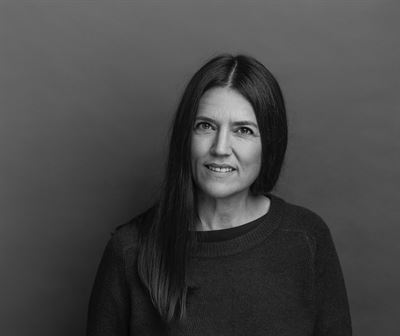
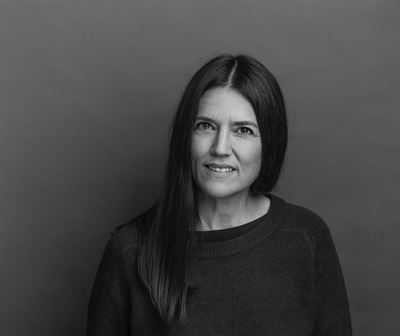
Sveriges Radios Kulturnytt gör just nu en mycket välkommen granskning av villkoren i musikbranschen. Igår lyftes artisten Siw Malmkvists situation med ett avtal som inte förnyats på över 60 år. Hennes situation är tyvärr långt ifrån unik. Musikerförbundet har länge uppmärksammat att majorbolagen fortsätter att betala extremt låga royaltynivåer till artister vars kontrakt skrevs på 1960-talet – en tid då digital streaming inte existerade.
– Jag kan intyga att artisterna som talar ut i P1 är långt ifrån ensamma om sin situation och vi uppmanar deras artistkollegor att gå ut med sitt tydliga stöd till de som vågar bryta tystnaden om oskäliga ersättningar, säger Musikerförbundets ordförande Karin Inde.
Musiker och artister skapar det värde som skivbolagen tjänar pengar på, men ändå ser vi gång på gång hur bolagen behåller stora delar av intäkterna. Att en av Sveriges mest folkkära artister, med en karriär som sträcker sig över decennier, fortfarande har en oskälig royalty är ett tydligt bevis på branschens obalans.
– Tystnadskulturen kring prissättning är enbart bra för bolagen. Både artister och musiker skulle verkligen tjäna på att dela med sig till varandra om hur betalningar och dealar verkligen ser ut. Förstås i trygga, egna rum. Det är bara bolagen som tjänar på att vi inte pratar med varandra om pengar, säger Karin Inde.
Stort tack till de modiga artister som ser till att lyfta problematiken! För att vi ska få till en i grunden mer rättvis musikbransch behöver de stora parterna i sammanhanget – skivbolagen, musikerna och artisterna – göra som de flesta andra svenska branscher lyckas med:
– Vi behöver tillsammans enas om vettiga och balanserade avtal, som sätter standard för branschen. Musikerförbundet är redo att göra vår del i arbetet för bättre villkor i musikbranschen, frågan är om skivbolagen är redo, säger Karin Inde.
Karin Inde
Förbundsordförande
karin.inde@musikerforbundet.se
+46 (0)704447228
Musikerförbundet är fackförbundet för professionella musiker och artister. Vi arbetar för förbättrade upphovsrättsliga och arbetsrättsliga villkor och för att våra medlemmar ska få en rättvis del av de värden de skapar i samhället.

- Tightening fundamentals – bullish inventories from DOE
- Bombs to ”ceasefire” in hours – Brent below $70
- A muted price reaction. Market looks relaxed, but it is still on edge waiting for what Iran will do
- Very relaxed at USD 75/b. Risk barometer will likely fluctuate to higher levels with Brent into the 80ies or higher coming 2-3 weeks
- Brent needs to fall to USD 58/b to make cheating unprofitable for Kazakhstan
-
Analys från DailyFX10 år ago
EUR/USD Flirts with Monthly Close Under 30 Year Trendline
-
Marknadsnyheter5 år ago
BrainCool AB (publ): erhåller bidrag (grant) om 0,9 MSEK från Vinnova för bolagets projekt inom behandling av covid-19 patienter med hög feber
-

 Marknadsnyheter2 år ago
Upptäck de bästa verktygen för att analysera Bitcoin!
-
Analys från DailyFX12 år ago
Japanese Yen Breakout or Fakeout? ZAR/JPY May Provide the Answer
-

 Marknadsnyheter2 år ago
Därför föredrar svenska spelare att spela via mobiltelefonen
-
Analys från DailyFX12 år ago
Price & Time: Key Levels to Watch in the Aftermath of NFP
-
Analys från DailyFX8 år ago
Gold Prices Falter at Resistance: Is the Bullish Run Finished?
-
 Nyheter7 år ago
Teknisk analys med Martin Hallström och Nils Brobacke