
Marknadsnyheter
Gállok/ Kallak Iron Ore Project Update

3 June 2024
Beowulf Mining Plc
(“Beowulf” or the “Company”)
Gállok/ Kallak Iron Ore Project Update
Beowulf (AIM: BEM; Spotlight: BEO) and its wholly owned Swedish subsidiary Jokkmokk Iron Mines AB (”Jokkmokk Iron”) are pleased to provide an update on the Gállok or Kallak Iron Ore project (“Gállok” or “the project”).
Highlights
Stakeholder interaction
- Positive engagement with delegation from UNESCO (“United Nations Educational, Scientific and Cultural Organization”) to discuss the development of Gállok in the context of the Laponia World Heritage Site
- Initiation of meetings with local stakeholders including landowners and Sami villages focused on developing collaborative approach to future activity
Environmental workstreams
- Hydrogeology test-work initiated with ramp-up in activity in coming weeks
- Continuation of baseline studies including bird surveys, water sampling and noise monitoring
Technical activity
- Metallurgical test-work nearing completion
- Open pit geotechnical field work completed with laboratory analysis underway
- In-fill drilling planned for summer period primarily to upgrade Inferred resource to Measured and Indicated category
- Trade-off study on location of tailings management facility (“TMF”) completed with initial TMF design work underway
- Logistics and transport study initiated with initial trade-off nearing completion
Permitting
- Preparations are underway for the Environmental Impact Assessment (“EIA”) and environmental permit application
- While no specific timelines have been given, the decision from the Supreme Administrative Court is anticipated within the coming weeks
Ed Bowie, Chief Executive Officer of Beowulf, commented:
“Last week, I had the privilege of meeting the UNESCO delegation on three separate occasions, at our office in Jokkmokk, in the stunning Laponia World Heritage Site and finally in Stockholm. We enjoyed a robust discussion and appreciate the advice imparted by the delegation on their expectations with respect to delivering a meaningful World Heritage Impact Assessment. We look forward to incorporating this advice as we work with the Cultural Heritage Board and other key stakeholders.
“Dmytro has had a busy first month with activity at Gállok ramping up significantly across many disciplines. Of critical importance to the future development of the project is building a transparent and trusting relationship with local stakeholders. Dmytro, with the support of our lead consultant for Reindeer Analysis and consultation with local stakeholders, has held a number of positive meetings with landowners and the Jåhkågaska tjiellde Sami village. Further meetings, including with the other Sami villages, are planned.
“With a series of work-streams nearing completion, we look forward to updating the market over the coming months.”
Dmytro Siergieiev, Project Director of Jokkmokk Iron, commented:
“It has been a pleasure to meet a number of key local stakeholders over the course of the month. We have a range of activities, ongoing and being planned for the summer months, and I have appreciated the opportunity to explain our plans to the affected landowners and the Jåhkågaska tjiellde Sami village.
“It is an exciting time for the project but critical that we engage with our stakeholders and build local support for Gállok.”
Stakeholder interaction
A delegation representing UNESCO World Heritage Centre, ICOMOS (International Council on Monuments and Sites) and IUCN (International Union for Conservation of Nature) undertook a “Reactive Monitoring Mission” to Laponia World Heritage Site between May 27th and 31st, 2024. Their objective, as set out in Decision 45 COM 7B.32 https://whc.unesco.org/en/decisions/8306, was “to ascertain the present condition of the property, the nature and extent of the threats to the property, to provide guidance on the IDIA (In-Depth Impact Assessment) revision process including the efficacy of the criteria defined for the evaluation of potential impacts of the proposed mining and ancillary activities, and to propose measures to facilitate the conservation of attributes which support the OUV (Outstanding Universal Values) of the property.” The delegation was hosted for the week by two representatives of Riksantikvarieämbetet (“RAA” or the “Cultural Heritage Board”) and a representative of the Naturvårdsverket (the Swedish Environmental Protection Agency or “EPA”).
At the request of the Company, we held a series of meetings with the delegation. On 27 May 2024, the delegation visited the Jokkmokk Iron office in the town of Jokkmokk where the team presented the project, its development status, importance in the context of decarbonising the steel industry and our planned activities including Reindeer Analysis and World Heritage Impact Assessment.
On Tuesday 28 May 2024, Ed Bowie accompanied Anders Forsgren, the Company’s lead consultant responsible for consultation with the Sami, and undertaking the Reindeer Analysis and World Heritage Impact Assessment. Anders has spent many years working with environmental permitting processes and reindeer herding analysis and was previously Chair of Svemin’s (the Swedish Association of Mines, Mineral and Metal Producers) working group for Reindeer Herding and Biodiversity and a member of the ICMM (International Council on Mining and Metals) working group for Indigenous People and Biodiversity.
Finally, the Company was supported by Svemin at a meeting in Stockholm on 31 May 2024. Svemin provided the delegation with a thorough overview of the Swedish mining sector and their role in supporting the industry and in particular in the development of industry-wide policies and guidelines including in relation to reindeer herding.
The Company looks forward to working with the RAA and other stakeholders including the Site Management of Laponia, the EPA and Svemin in developing the World Heritage Impact Assessment. There will be significant overlap with the Company’s ongoing environmental and social impact assessment activity including reindeer herding analysis.
In addition to the UNESCO related engagement, Dmytro and Anders had a kick-off meeting with representatives of Jåhkågaska tjiellde, the Sami village in which the Gállok project is situated, to discuss working collaboratively in completing the reindeer analysis. Follow-up meetings are planned as well as meetings with the Sirges and Tuorpon Sami villages.
In a further positive development since joining the Company at the beginning of May, Dmytro has held meetings with a number of the landowners in the Gállok area to discuss the proposed activities over the coming months. While not all landowners are supportive of the development of Gállok, most appreciated the direct contact from the Company and the opportunity to discuss the plans first-hand.
Environmental workstreams
Hydrogeology test-work on boreholes drilled during 2023 was initiated during the month with further test-work planned during June. Data generated from this test-work, which includes pump testing, will be used to model the likely impacts of developing the open pit and allow water balance and related impacts to be assessed.
Technical activity
Metallurgical test-work, based on samples selected in late 2023 from historic drill core and trial mining material, is nearing completion. Comminution, magnetic separation and flotation test-work has been completed with the preliminary results being in line with expectations. Final results are expected over the coming weeks.
Geotechnical logging of drill core has been completed by SLR Consulting, lead consultants for the Pre-Feasibility Study (“PFS”), supported by the Company’s geologists. Samples have also been selected for a range of geotechnical tests. The objective of this test work is to determine the likely rock conditions within the planned open pit and enable pit slopes and ultimately mine plans to be developed.
The Company has submitted a work plan, which has been approved by Länsstyrelsen i Norrbotten (the “Norrbotten County Administrative Board” or “CAB”), to undertake some limited in-fill drilling. This drilling is planned for the coming months and has the objective of converting Inferred resources into Measured and Indicated categories. Inferred resources accounted for 14% of the total mined material in the January 2023 Scoping Study mine plan. However, at PFS stage only Measured and Indicated Resources can be converted into reserves and included in the mine plan. Inferred resources would therefore be treated as waste.
The Company has completed a review of a range of possible locations for the TMF including desk-top and field assessments of potential impacts on the natural attributes, communities and reindeer herding as well as technical and economic analyses. This multi-faceted review has confirmed that the preferred site is the same general location as the Scoping Study TMF, and initial design work following international best practice and the Global Industry Standard for Tailings Management (GISTM) is underway with geotechnical investigation planned for later in the summer.
The Company has also been reviewing and updating the logistics and transportation work previously completed as part of the Scoping Study. The initial trade-off study is nearing completion. Plans to upgrade and expand port and rail facilities in the north of Sweden are currently under review, driven partly by Sweden joining NATO. The Company therefore plans to maintain a flexible approach to its ultimate infrastructure solutions.
Permitting
The appeal against the Government’s initial awarding of the Exploitation Concession for Gállok remains ongoing. The Supreme Administrative Court has not provided any timeframe in which it will deliver its verdict in the case although the Company’s expectation, based on third-party advice, is that this will be before the end of June.
Preparations for the EIA and environmental permit application are well under way. The formal consultation process with stakeholders is a vital part of the EIA process, as it helps to identify and mitigate any potential environmental and social concerns associated with the project. The Company is ramping up these efforts and working closely with Bergab, who is responsible for drafting the EIA, to reflect a proactive approach to environmental stewardship and community engagement.
Enquiries:
| Beowulf Mining plc | |
| Ed Bowie, Chief Executive Officer | ed.bowie@beowulfmining.com |
| SP Angel | |
| (Nominated Adviser & Joint Broker) | |
| Ewan Leggat / Stuart Gledhill / Adam Cowl | Tel: +44 (0) 20 3470 0470 |
| Alternative Resource Capital | |
| (Joint Broker) | |
| Alex Wood | Tel: +44 (0) 20 7186 9004 |
| BlytheRay | |
| Tim Blythe / Megan Ray | Tel: +44 (0) 20 7138 3204 |
About Beowulf Mining plc
Beowulf Mining is a mining company with main activities in exploration and development in Sweden, Finland, and Kosovo. Beowulf’s portfolio is diversified by commodity, geography, and stage of development of the projects, and consists primarily of iron ore, graphite, gold, and base metals. Beowulf Mining is headquartered in London, England.
Cautionary Statement
Statements and assumptions made in this document with respect to the Company’s current plans, estimates, strategies and beliefs, and other statements that are not historical facts, are forward-looking statements about the future performance of Beowulf. Forward-looking statements include, but are not limited to, those using words such as ”may”, ”might”, ”seeks”, ”expects”, ”anticipates”, ”estimates”, ”believes”, ”projects”, ”plans”, strategy”, ”forecast” and similar expressions. These statements reflect management’s expectations and assumptions in light of currently available information. They are subject to a number of risks and uncertainties, including, but not limited to , (i) changes in the economic, regulatory and political environments in the countries where Beowulf operates; (ii) changes relating to the geological information available in respect of the various projects undertaken; (iii) Beowulf’s continued ability to secure enough financing to carry on its operations as a going concern; (iv) the success of its potential joint ventures and alliances, if any; (v) metal prices, particularly as regards iron ore. In the light of the many risks and uncertainties surrounding any mineral project at an early stage of its development, the actual results could differ materially from those presented and forecast in this document. Beowulf assumes no unconditional obligation to immediately update any such statements and/or forecast.

Regeringen har beslutat om en lagrådsremiss med förslag till lättnader i byggkraven för studentbostäder. Syftet är att öka möjligheterna till flexibilitet vid byggandet.
– På många studieorter är det svårt för studenter att hitta boende. Därför behöver byggregelverket förenklas. Syftet är att möjliggöra för fler studentbostäder genom sänkta byggkostnader och ökad flexibilitet, säger infrastruktur- och bostadsminister Andreas Carlson.
Förslaget innebär att det blir möjligt att göra undantag från kraven på tillgänglighet och användbarhet i en byggnad som innehåller studentbostäder. Undantagen ska kunna tillämpas vid både nyproduktion och vid ändring av en byggnad.
Det ska vara möjligt att göra undantag för högst 80 procent av studentbostäderna i ett byggprojekt. Minst 20 procent av studentbostäderna ska fortfarande uppfylla gällande krav på tillgänglighet och användbarhet för personer med nedsatt rörelse- eller orienteringsförmåga.
Lagändringen ger större flexibilitet vid byggande av studentbostäder och skapar fler tänkbara sätt att utforma planlösningar. Till exempel kan bostadsytan minskas och fler bostäder rymmas inom en given yta.
De föreslagna undantagen ska inte hindra personer med funktionsnedsättning att vara delaktiga i sociala sammanhang. En studentbostad som omfattas av undantagen ska kunna besökas av en person med nedsatt rörelse- eller orienteringsförmåga.
Regeringen breddar också definitionen av studentbostäder till att inkludera all vuxenutbildning för att göra det möjligt för fler kommuner att erbjuda studentbostäder.
Förslagen föreslås träda i kraft den 1 juli 2025.
Lagrådsremissen: Lättnader i byggkraven för studentbostäder – Regeringen.se
Presskontakt
Ebba Gustavsson
Pressekreterare hos infrastruktur- och bostadsminister Andreas Carlson
Telefon (växel) 08-405 10 00
Mobil 076-12 70 488
ebba.gustavsson@regeringskansliet.se
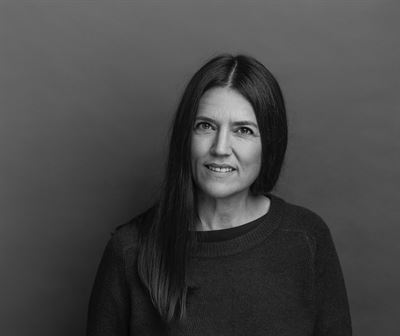
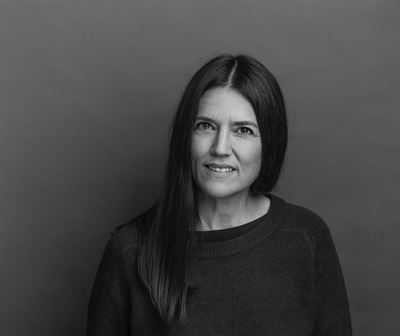
Sveriges Radios Kulturnytt gör just nu en mycket välkommen granskning av villkoren i musikbranschen. Igår lyftes artisten Siw Malmkvists situation med ett avtal som inte förnyats på över 60 år. Hennes situation är tyvärr långt ifrån unik. Musikerförbundet har länge uppmärksammat att majorbolagen fortsätter att betala extremt låga royaltynivåer till artister vars kontrakt skrevs på 1960-talet – en tid då digital streaming inte existerade.
– Jag kan intyga att artisterna som talar ut i P1 är långt ifrån ensamma om sin situation och vi uppmanar deras artistkollegor att gå ut med sitt tydliga stöd till de som vågar bryta tystnaden om oskäliga ersättningar, säger Musikerförbundets ordförande Karin Inde.
Musiker och artister skapar det värde som skivbolagen tjänar pengar på, men ändå ser vi gång på gång hur bolagen behåller stora delar av intäkterna. Att en av Sveriges mest folkkära artister, med en karriär som sträcker sig över decennier, fortfarande har en oskälig royalty är ett tydligt bevis på branschens obalans.
– Tystnadskulturen kring prissättning är enbart bra för bolagen. Både artister och musiker skulle verkligen tjäna på att dela med sig till varandra om hur betalningar och dealar verkligen ser ut. Förstås i trygga, egna rum. Det är bara bolagen som tjänar på att vi inte pratar med varandra om pengar, säger Karin Inde.
Stort tack till de modiga artister som ser till att lyfta problematiken! För att vi ska få till en i grunden mer rättvis musikbransch behöver de stora parterna i sammanhanget – skivbolagen, musikerna och artisterna – göra som de flesta andra svenska branscher lyckas med:
– Vi behöver tillsammans enas om vettiga och balanserade avtal, som sätter standard för branschen. Musikerförbundet är redo att göra vår del i arbetet för bättre villkor i musikbranschen, frågan är om skivbolagen är redo, säger Karin Inde.
Karin Inde
Förbundsordförande
karin.inde@musikerforbundet.se
+46 (0)704447228
Musikerförbundet är fackförbundet för professionella musiker och artister. Vi arbetar för förbättrade upphovsrättsliga och arbetsrättsliga villkor och för att våra medlemmar ska få en rättvis del av de värden de skapar i samhället.
Marknadsnyheter
Bönor från egen kaffeskog, sump till jord – Viking Lines nya kaffe gör gott på många olika sätt


Viking Lines resenärer dricker varje år 8,5 miljoner koppar kaffe. Nu satsar rederiet på ett helt nytt kaffe som ger minskade klimatutsläpp och bättre levnadsvillkor för odlarna. Kaffet från Slow Forest odlas på rederiets egen odling i Laos utan kemiska gödningsmedel, handplockas och rostas därefter i Danmark.
Allt kaffe som serveras på Viking Lines fartyg är nu hållbart producerat Slow Forest-kaffe, odlat på rederiets 75 hektar stora odling på högplatåerna i Laos och rostat i Danmark. Kaffeplantorna odlas bland träd på återbeskogad mark, i stället för på traditionellt skövlade plantager. Viking Lines odling ligger i en kolsänka där målsättningen är att plantera 30 000 träd, vilket innebär nästan 400 träd per hektar. Kaffeskogen förbättrar också den lokala biologiska mångfalden i området.
Odlingen, bearbetningen och rostningen av kaffet hanteras av Slow Forest Coffee. För företaget är det viktigt att produktionskedjan är rättvis och transparent. Utöver miljöfördelarna erbjuder Slow Forest bättre lönevillkor och sjukersättning för byns odlare.
”Den traditionella kaffetillverkningens koldioxidavtryck är stort och merparten av intäkterna går till Europa i stället för produktionsländerna. Vi ville göra annorlunda. Våra kunder vill göra hållbara val, och nu kan de njuta av sitt kaffe med bättre samvete än någonsin tidigare,” berättar Viking Lines restaurangchef Janne Lindholm.
Bönorna till Slow Forest-kaffet får sakta mogna i skuggan av träden, utan kemiska gödningsmedel. De plockas också för hand, vilket avsevärt förbättrar kaffets kvalitet och smak. Viking Lines nya kaffe består till 100 procent av Arabica-bönor, med en balanserad syrlighet samt smak av nötter och choklad. Rostningsprofilen har skapats av den världsberömda danska rostningsmästaren Michael de Renouard.
”Vi valde en mörkrost till fartygets kaffe, vilket passar både finländarnas och svenskarnas nuvarande smakpreferenser gällande rostning. Finländarnas smak gällande kaffe har under de senaste åren utvecklats mot en mörkare rostning. Innan vi gjorde vårt slutgiltiga val testades det nya kaffet i Viking Cinderellas bufférestaurang och personalmässen – och båda testgrupperna gav toppbetyg. Då 8,5 miljoner koppar kaffe bryggs varje år kan inget lämnas åt slumpen!” säger Janne Lindholm.
Viking Lines hållbarhetsmål stannar inte vid produktionskedjan. Kaffesump från fartygen återvinns nämligen som råmaterial för trädgårdsjord. Detta minskar avsevärt användningen av jungfrulig torv vid tillverkningen av mylla.
”Vi har som mål att allt som tagits ombord på fartygen som är möjligt att återvinna ska återanvändas eller återvinnas. Det gäller inte bara kaffet utan även matavfall och till exempel textilier som tas ur bruk. Ett bra exempel på vårt livscykeltänkande är att frityrolja från fartygets restauranger blir till biobränsle för den finska sjöfartsindustrin,” säger Viking Lines hållbarhetschef Dani Lindberg.
Slow Forest Coffee – 5 fakta:
- Slow Forest Coffee är ett kaffeföretag som verkar i Laos, Vietnam och Indonesien i samarbete med över 500 lokala kaffeodlare.
- Företaget grundades år 2019 av Pinja Puustjärvi, driven av en vilja att skydda skogarna i Laos och stötta lokala odlare. Puustjärvi bodde som barn i Laos på grund av sin fars arbete.
- Kaffet odlas i restaurerade kaffeskogar, som binder stora mängder kol och ökar den biologiska mångfalden.
- Det är viktigt för företaget att produktionskedjan är ansvarsfull och transparent, samt att verksamheten gynnar både miljön och de lokala samhällena.
- Slow Forest Coffee betalar odlarna bättre ersättning än genomsnittet i Laos och erbjuder förmåner som underlättar deras liv: förskottsbetalningar, utbildning och möjligheten att låna pengar från en krisfond.
Mera infomation om Slow Forest Coffee här
Tilläggsinformation:
Janne Lindholm, restaurangchef
janne.lindholm@vikingline.com, tel. +358 400 744 806
Dani Lindberg, hållbarhetschef
dani.lindberg@vikingline.com, tel. +358 18 27 000
Johanna Boijer-Svahnström, informationsdirektör
johanna.boijer@vikingline.com, tel. +358 18 270 00
Christa Grönlund, informationschef
christa.gronlund@vikingline.com, tel. +358 9 123 51

- Tightening fundamentals – bullish inventories from DOE
- Bombs to ”ceasefire” in hours – Brent below $70
- A muted price reaction. Market looks relaxed, but it is still on edge waiting for what Iran will do
- Very relaxed at USD 75/b. Risk barometer will likely fluctuate to higher levels with Brent into the 80ies or higher coming 2-3 weeks
- Brent needs to fall to USD 58/b to make cheating unprofitable for Kazakhstan
-
Analys från DailyFX10 år ago
EUR/USD Flirts with Monthly Close Under 30 Year Trendline
-
Marknadsnyheter5 år ago
BrainCool AB (publ): erhåller bidrag (grant) om 0,9 MSEK från Vinnova för bolagets projekt inom behandling av covid-19 patienter med hög feber
-

 Marknadsnyheter2 år ago
Upptäck de bästa verktygen för att analysera Bitcoin!
-
Analys från DailyFX12 år ago
Japanese Yen Breakout or Fakeout? ZAR/JPY May Provide the Answer
-

 Marknadsnyheter2 år ago
Därför föredrar svenska spelare att spela via mobiltelefonen
-
Analys från DailyFX12 år ago
Price & Time: Key Levels to Watch in the Aftermath of NFP
-
Analys från DailyFX8 år ago
Gold Prices Falter at Resistance: Is the Bullish Run Finished?
-
 Nyheter7 år ago
Teknisk analys med Martin Hallström och Nils Brobacke